LEIPZIG
01/08
UX/UI
LIFE IN PLASTIC
07/07
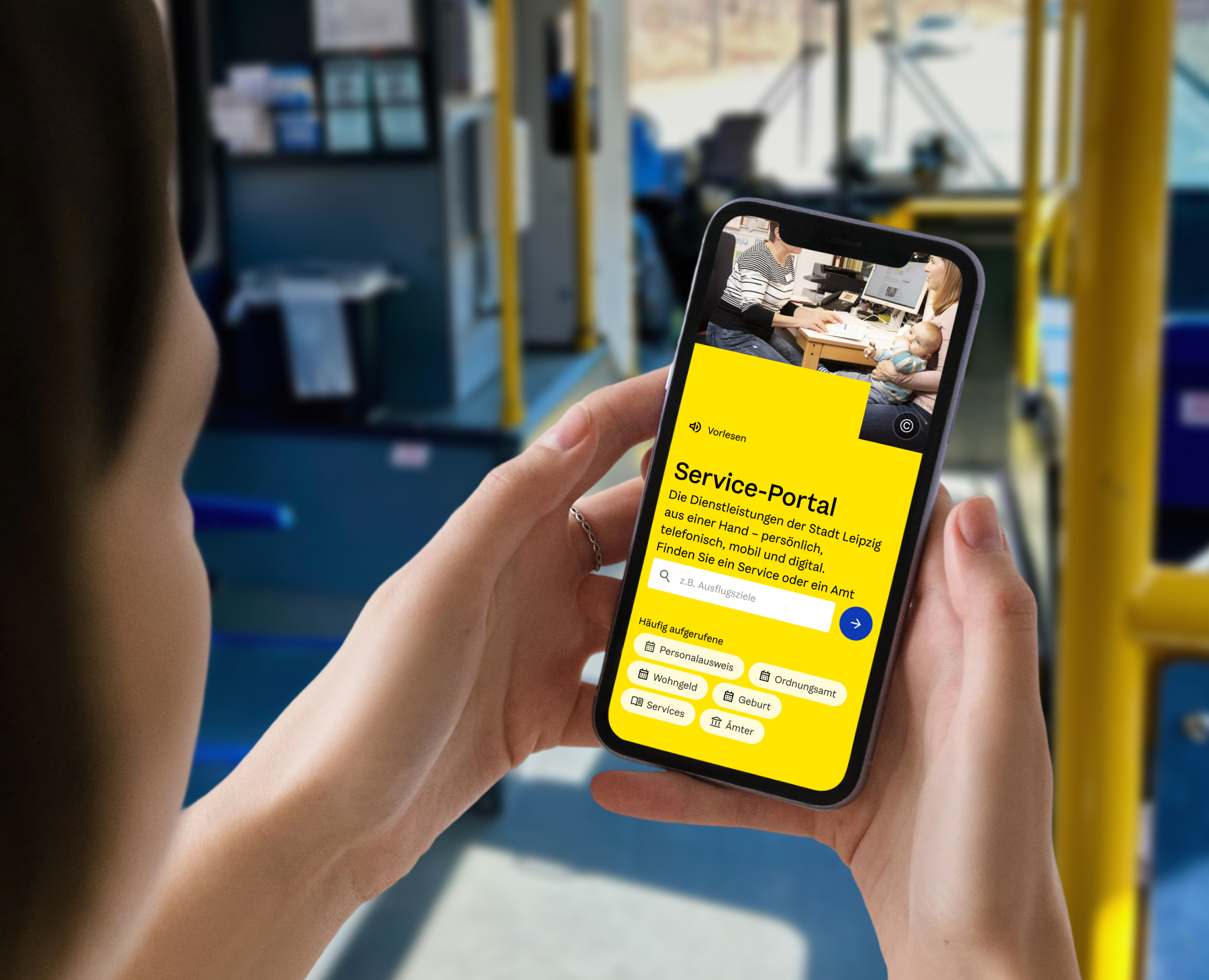
Redesign of the City of Leipzig’s digital platform focused on accessibility, navigation, and a cohesive civic user experience.
Year
2025
Role
UX/UI Design
Information Architecture
Design System
Designed at
Tools used
Figma
Client
City of Leipzig
Check Website
From fragmented content to a unified civic system
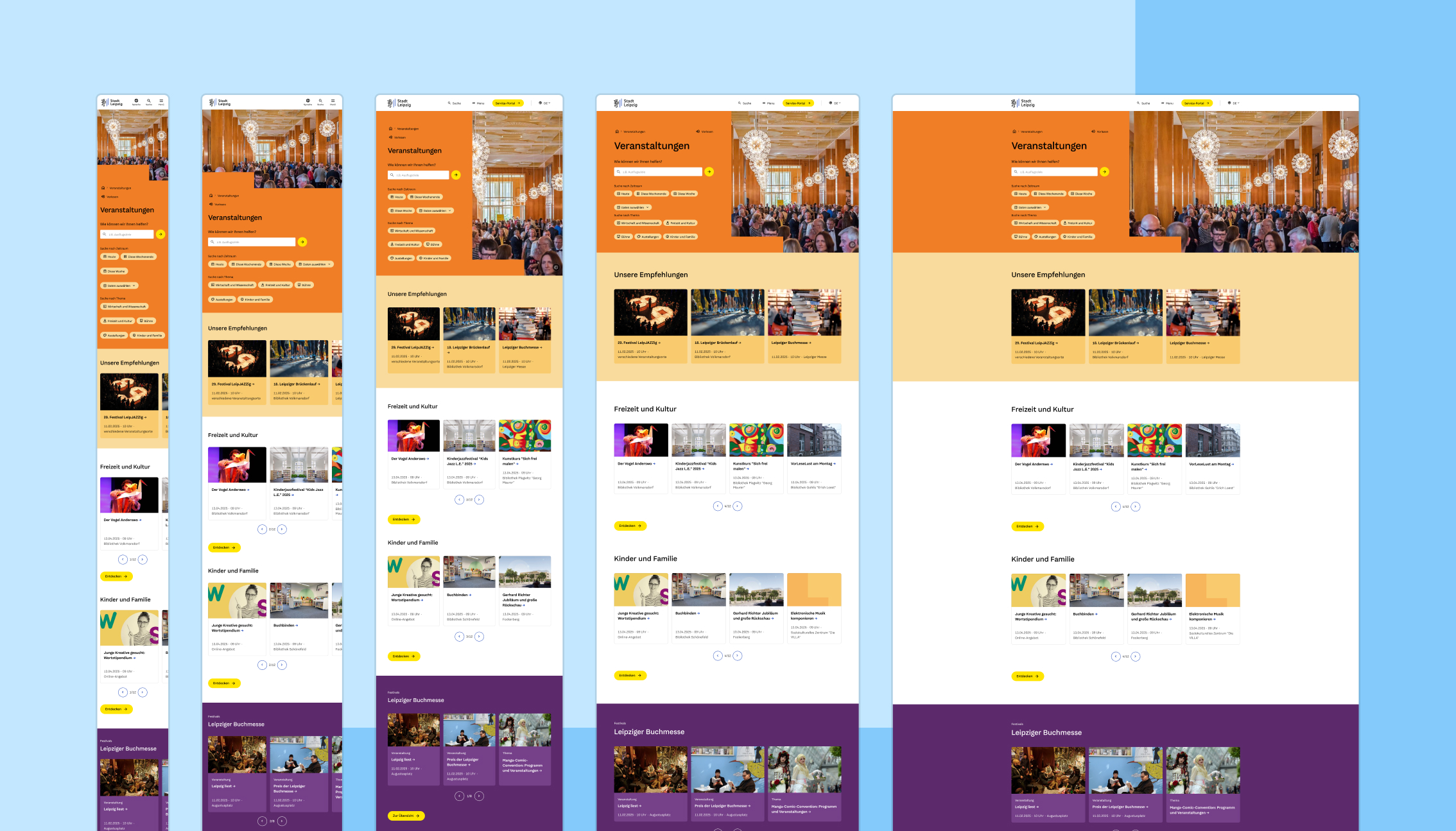
Leipzig’s digital platform had evolved into a highly fragmented ecosystem with over 400 interconnected pages and services. The challenge was not only visual redesign, but restructuring how citizens access information within a legacy municipal system shaped by hierarchical organisation and long-term organic growth. The work aligned closely with the city’s strategic goal of making services more accessible and transparent in everyday use.
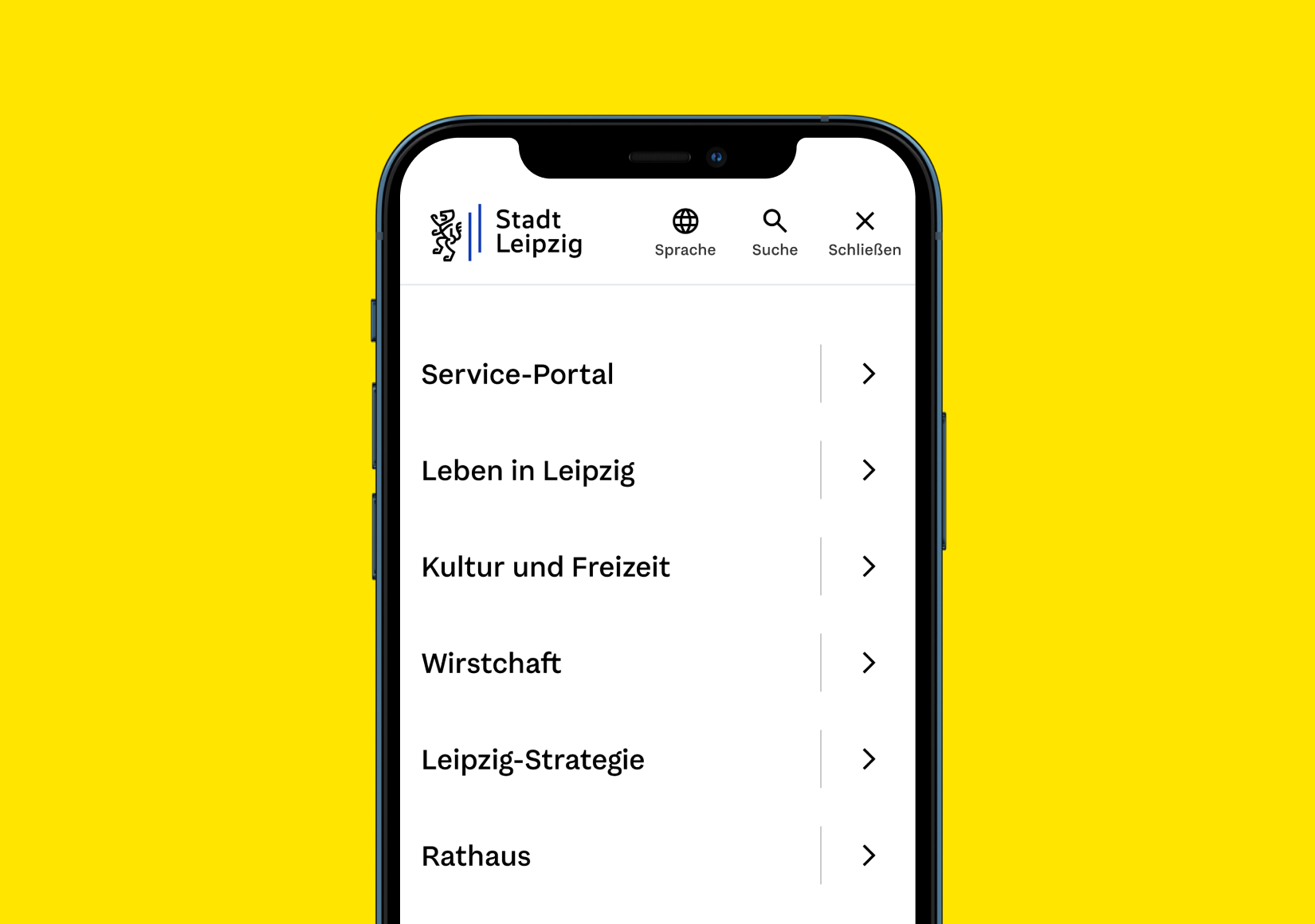
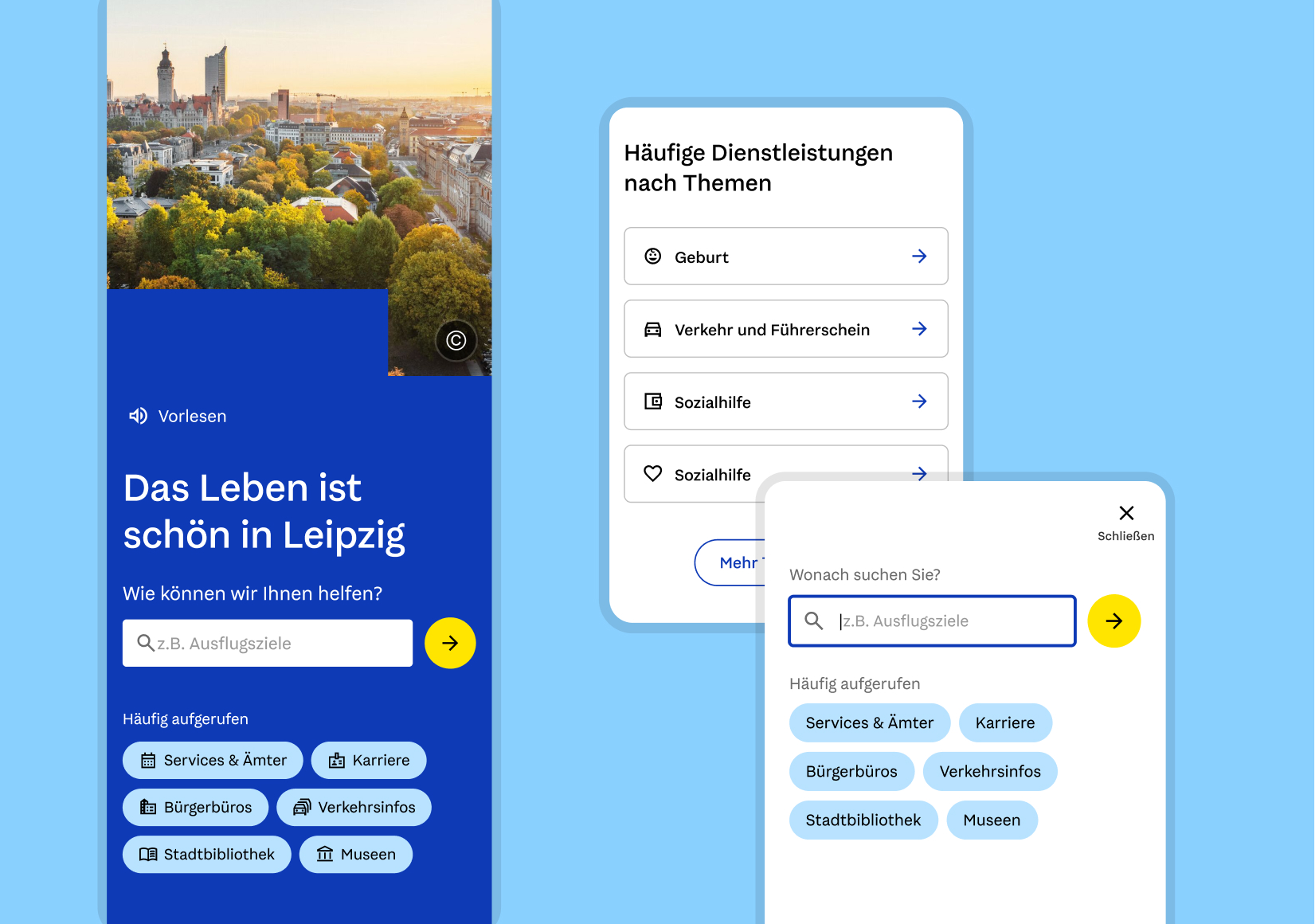
Designing for topic-based navigation and search
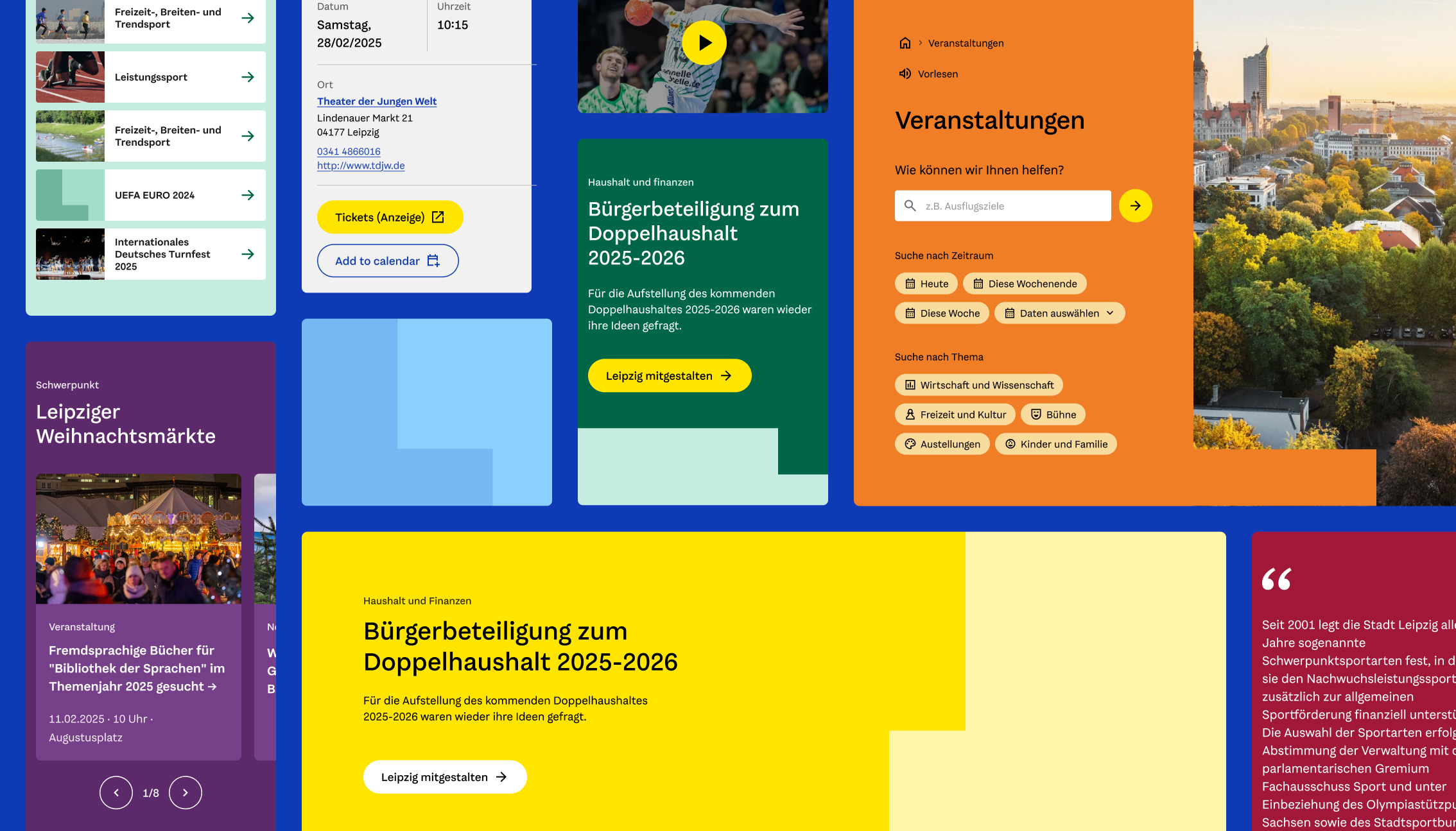
User research and platform analytics showed that citizens do not navigate civic systems through hierarchies, but through topics and intent. This informed a shift toward thematic entry points and a stronger search-first approach, reducing dependency on deep navigation structures and improving access to key services.
A parallel system: brand, content, and product
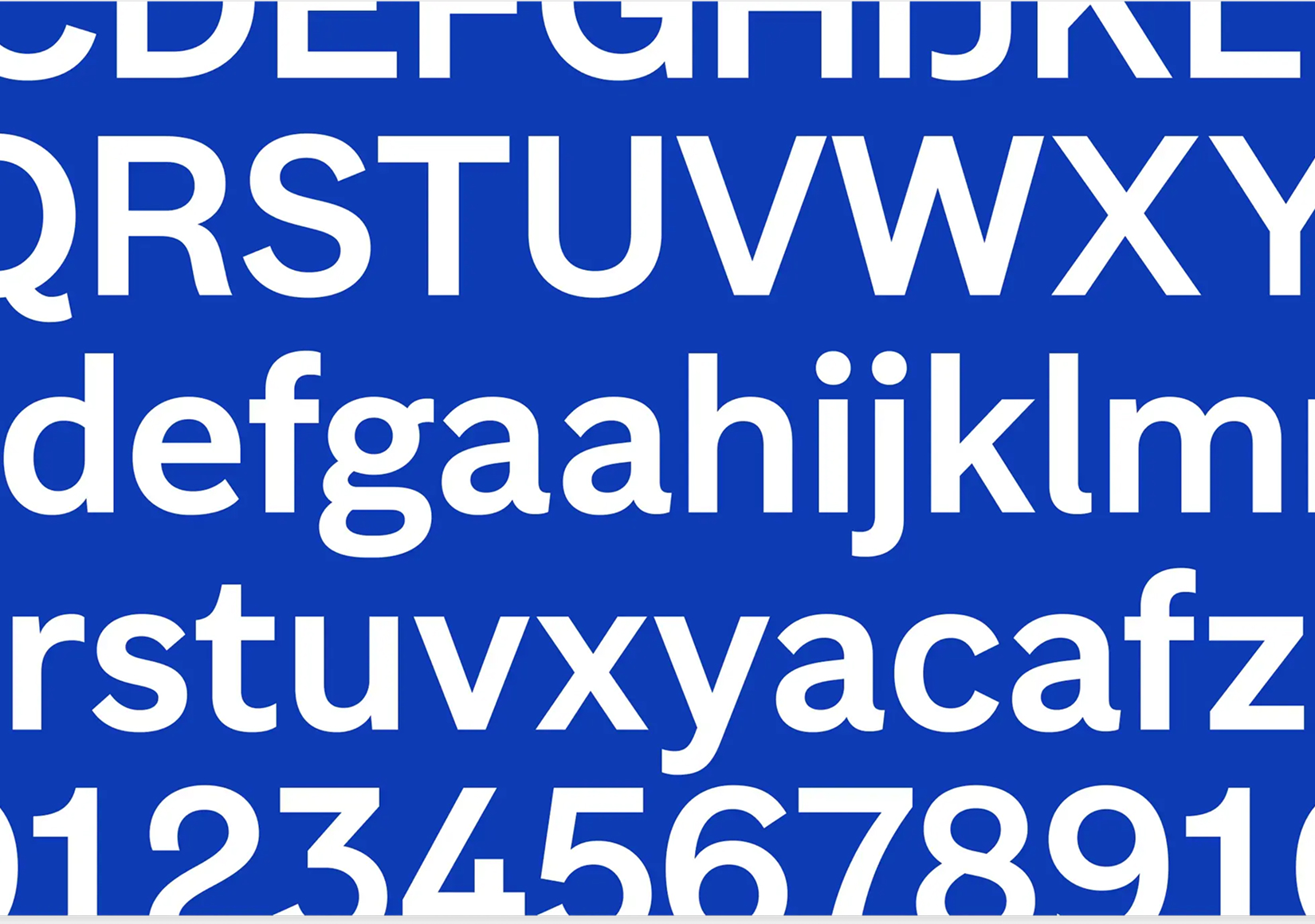
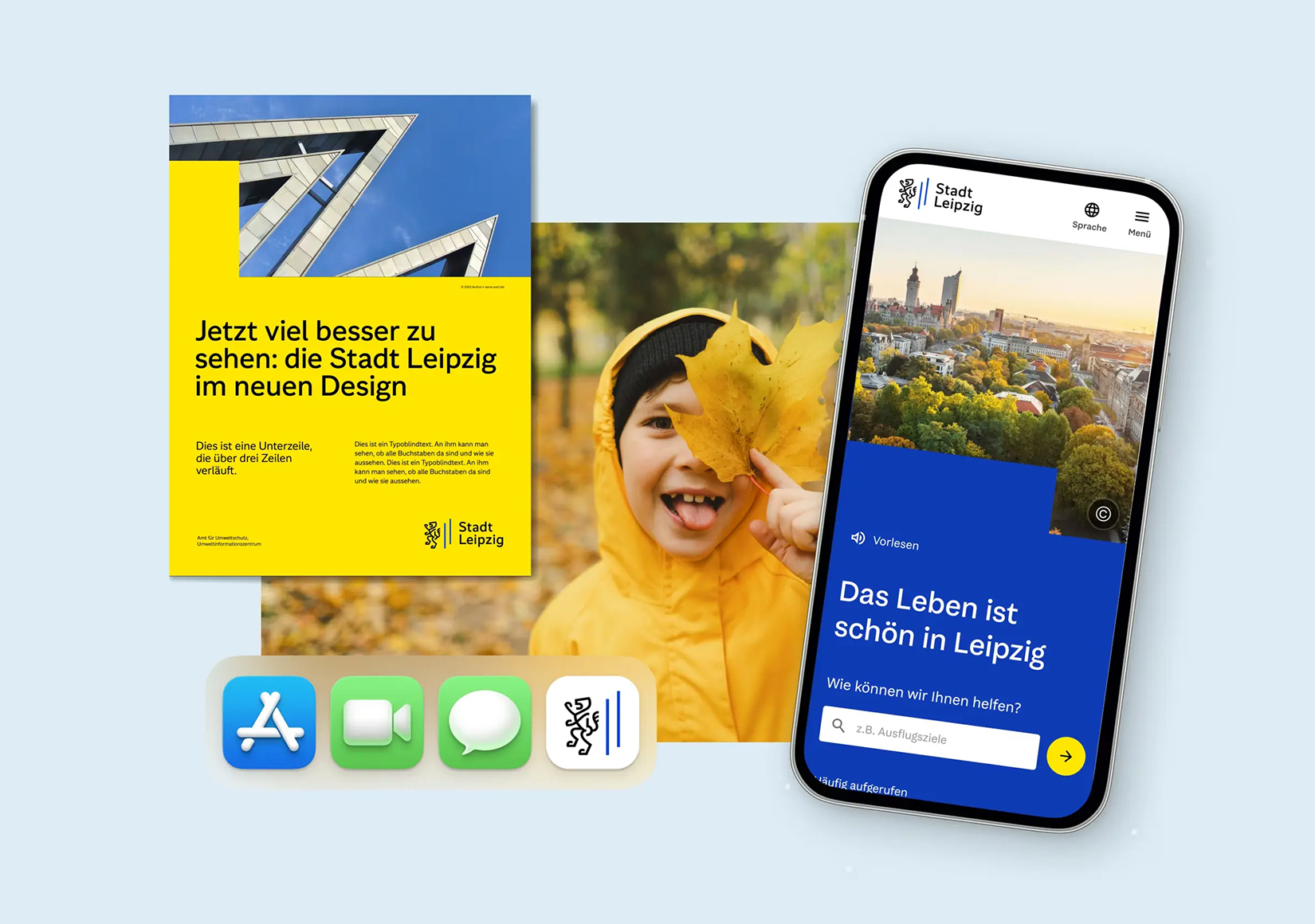
The digital platform was developed in parallel with a broader brand and identity system, requiring tight alignment between visual language, content structure, and functional UX patterns. This ensured consistency across touchpoints while allowing the citizen portal to act as a real-world validation layer for the evolving design system.
Scalable infrastructure for civic content
A component-based system was introduced to manage the complexity of large-scale editorial contribution across departments. This included responsive UI patterns, reusable modules, and a structured design system that could be extended across municipal services and future updates.
Key takeaways
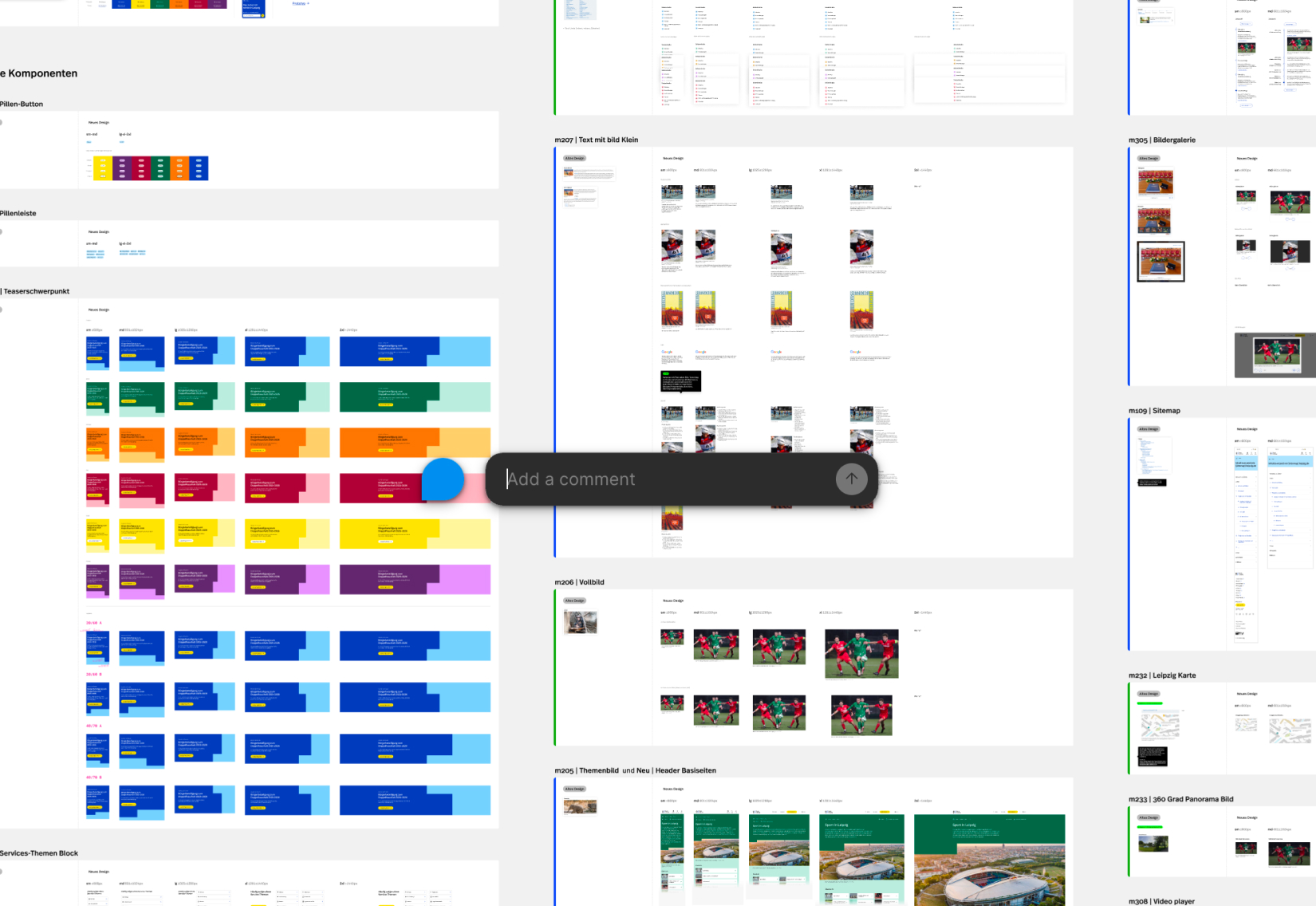
Optimising collaboration workflows
Frequent alignment sessions initially created inefficiencies for both teams. Midway through the project, moving decisions directly into Figma improved clarity, reduced meeting overhead, and allowed more continuous, context-aware collaboration between designers, project managers, and the City of Leipzig team.
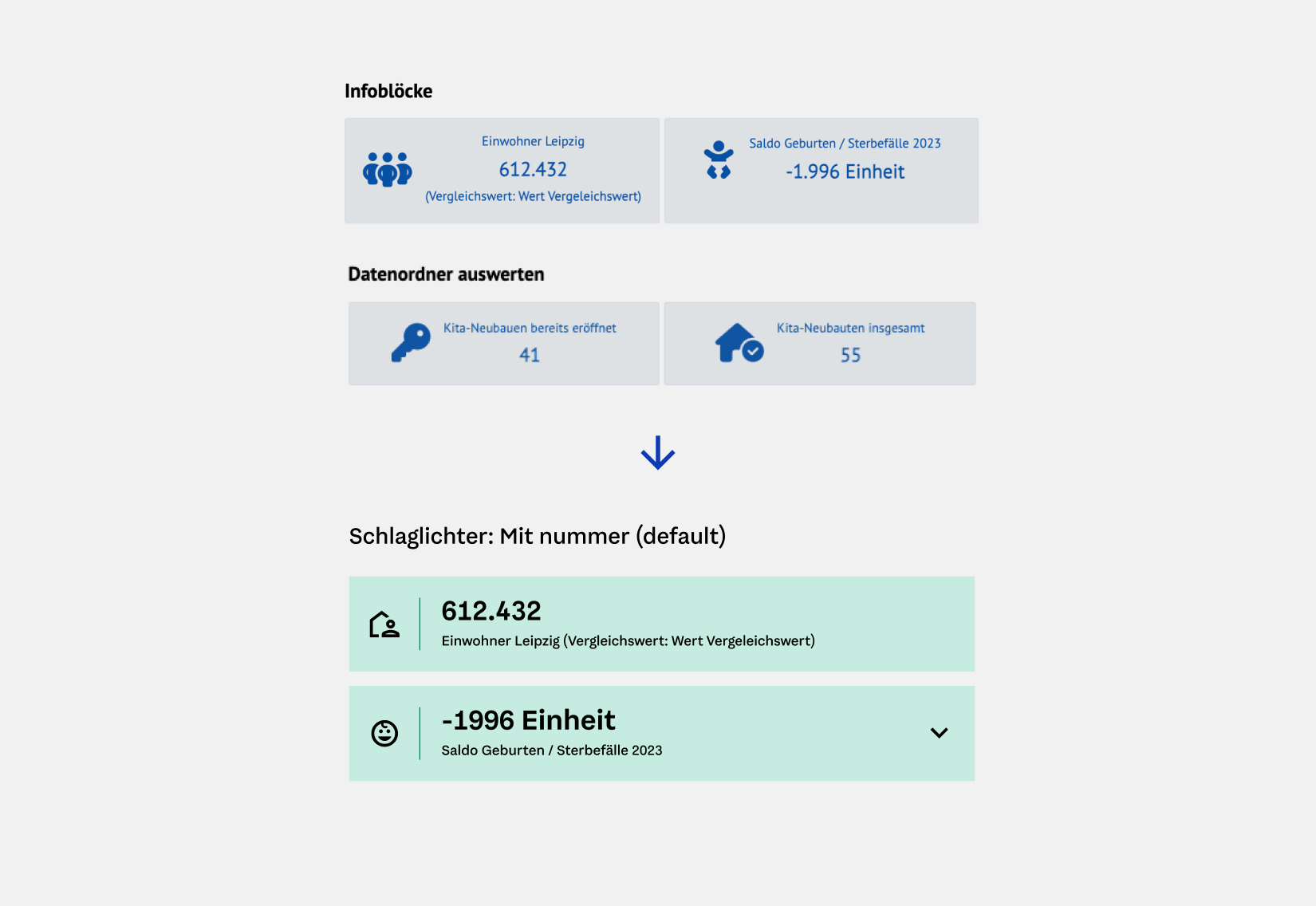
Designing for large-scale component migration
A major challenge was migrating existing pages into a new system while ensuring compatibility with a large number of editors. Components had to be designed for flexibility, enabling consistent use across legacy content, external contributions, and future updates without breaking the system structure.
time and complexity constraints
The project was delivered within a tight six-month timeframe with continuous iteration cycles. Decisions were informed by a combination of web metrics, stakeholder input, competitive research, and the city’s long-term strategic goals, requiring constant prioritisation between usability, feasibility, and design quality.